Balanced Garden Ponds: Practical Tips for Water, Plants, and Wildlife
Create a thriving garden pond with thoughtful planning, plant choices, and seasonal care that supports wildlife and clean water.
Planning a Pond that Fits Your Space and Lifestyle
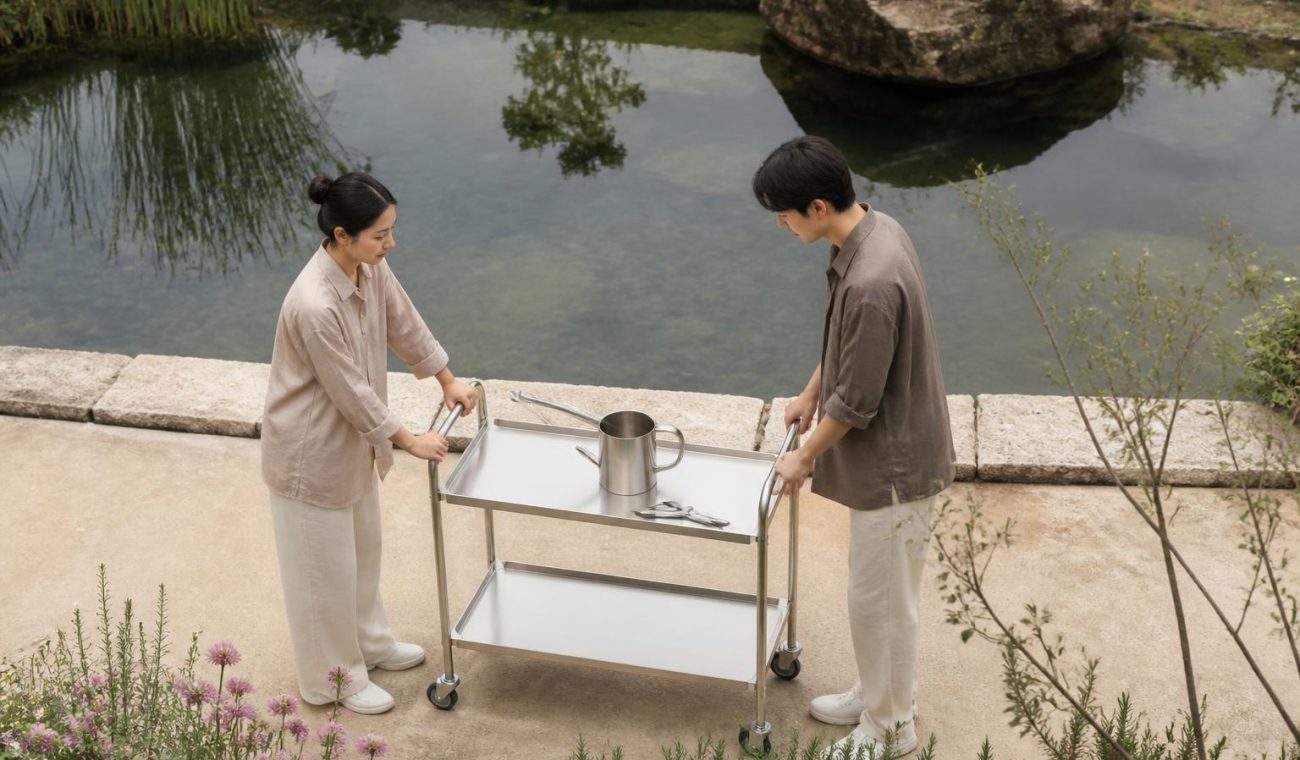
Gardening around water features begins with a clear plan that respects space, light, and maintenance. Assess your yard’s sun exposure, the slope of the ground, and how you’ll access the pond for edging, filtration, and seasonal cleaning. Consider a shallow shelf for marginal plants and a deeper basin for koi or goldfish if you’re drawn to vibrant color and movement in the water. Pond Plants can guide initial plant choices and help prevent overgrowth that clogs filtration. Incorporate weather patterns, nearby trees, and potential wildlife corridors so your garden remains robust year after year.
Developing a practical layout also means thinking about safety, especially if children or pets visit. Use clear edging to define edges, install a secure lid if the pond is deep, and plan for electrical access to pumps and lighting without creating tripping hazards. A simple, layered design supports maintenance routines and makes it easier to enjoy the water feature from multiple viewpoints. This stage sets the tone for a low-stress gardening routine that still delivers beauty and function.
Choosing Plants for Balance and Biodiversity
Plant selection is the heart of a healthy pond ecosystem, balancing aquatic life, water quality, and visual appeal. Start with oxygenating plants that stay submerged, such as Elodea or hornwort, to maintain clear water and healthy fish. Add marginal species like iris or papyrus to soften edges and create visible structure, while floating plants such as water lilies provide shade that discourages algae and offers habitat for beneficial insects. In spring and summer, rotate plantings to avoid crowding and keep nutrients evenly distributed across the bed.
For a natural look that supports biodiversity, mix native species with a few adaptable ornamentals that thrive in your climate. Regularly check plant health, removing diseased leaves promptly to prevent spread. By weaving diverse plant types into the pond margins, you create microhabitats for tadpoles, dragonflies, and pollinators, all of which contribute to a resilient, balanced water garden.
Filtration, Circulation, and Water Quality
Effective filtration is essential for clear water and healthy pond life, especially as sediments accumulate and nutrients rise. Start with a reliable mechanical filter that traps debris before it reaches the biological stages, then pair it with a biological media that hosts beneficial bacteria. Regularly check pump flow rates and clean filter components to prevent clogs, while maintaining a gentle current that keeps surface film from forming. Quality water supports vibrant plant growth and reduces odors.
Seasonal adjustments matter: as temperatures fluctuate, you may need to recalibrate pump speed, adjust aeration, and monitor dissolved oxygen levels. Netting leaves in autumn and reducing feeding during cold snaps minimizes waste that can degrade water clarity. A predictable maintenance rhythm—monthly checks and seasonal deep cleans—keeps your pond aesthetically pleasing and biologically healthy.
Seasonal Care: Spring to Autumn Rhythms
Spring brings renewed growth, so inspect liners for damage, prune dead stems, and replant any bare rootstock promptly. Introduce new plant varieties in small batches to avoid nutrient spikes that could trigger algae blooms, and fertilize sparingly according to species-specific needs. This is also a good window to test equipment settings and ensure timers are synchronized for lighting and filtration, so your pond starts the season with balance and vigor.
Summer requires vigilance against heat stress and nutrient buildup. Increase shading if light levels push algae growth, and monitor fish for signs of stress during heatwaves. Regularly skim surface debris and perform partial water changes if necessary, keeping birds and wildlife from over-cleaning resources. By maintaining steady routines, you support a robust ecosystem that flourishes through the hottest months.
Wildlife Attraction Without Overreach
Creating a welcoming pond environment invites beneficial wildlife, from dragonflies to frogs, while avoiding the pitfalls of overfeeding or invasive species. Install shallow zones and shallows for shallow-water species, and provide basking spots with rocks or shelves that offer warm microhabitats. A mix of plant heights creates shelter and feeding grounds, supporting a balanced food web where predators and prey coexist with minimal human intervention.
Keep feeders and watering stations clean to prevent disease transmission, and consider mosquito reduction strategies such as introducing native predators or planting insect-attracting species that disrupt breeding cycles. Remember, wildlife thrives when there is steady, diverse habitat and reliable water quality. Your garden becomes a living classroom where observation deepens your understanding of local ecology.
Lighting, Aesthetics, and Evening Enjoyment
Lighting can transform a pond after dusk, expanding the times you can enjoy your garden and improving safety along walkways. Use low-voltage LEDs along the rim to outline edges and highlight the water’s surface without glare. Consider warm white tones for a natural glow that complements the surrounding plantings and adds depth to the water’s reflections. Timed lighting reduces energy usage while extending your viewing window.
For aesthetics, balance scale and color by coordinating plant foliage with the pond’s edge and the adjacent garden beds. Use stones, mulch, and natural textures to create harmony between aquatic and terrestrial elements. Thoughtful planning yields a tranquil focal point that anchors your entire garden, inviting quiet contemplation and social gatherings alike.
Problem-Solving: Common Ponds Issues and Fixes
Algae blooms are a frequent concern that signal excess nutrients or sunlight exposure, so adjust nutrient input and increase shading if blooms persist. Regularly remove excess detritus from the bottom and ensure the filtration system is not overwhelmed by debris after heavy rains. If water clarity declines, test for ammonia and nitrite levels and correct imbalances with partial water changes and proper biological filtration.
Another common challenge is plant overgrowth on one side of the pond, which can impede circulation and shading. Thin crowded clumps, transplant vigorous runners, and monitor root systems to prevent plant material from blocking filters. By maintaining openness and airflow, you protect fish health and keep your water feature attractive year-round.