A Practical Guide to Creating a Lush, Low-Muss Pond Garden
Create a thriving water-focused oasis with British pond plants, water lilies, and thoughtful marginal plant choices for a serene, wildlife-friendly space.
Foundations of a Healthy, Low-Muss Pond
A well-planned pond starts with a clear site, ample sunlight, and steady filtration to support true pond plant growth. Choose a shallow shore for easy maintenance and a deeper basin to house water lilies and oxygenating plants that keep the water clear. By selecting native and British pond plants, you ensure better resilience against seasonal shifts and local pests, reducing ongoing upkeep without sacrificing beauty. Pond Plants can be a helpful starting point for compatible species and layout ideas.
Begin with a simple, layered planting plan: deep-water zones for water lilies, mid-depth shelves for marginal pond plants, and a sunlit edge for floating or boggy varieties. This structure helps balance shade and light, encouraging nutrient uptake while providing habitat for beneficial insects and wildlife. Regularly remove debris and monitor pH to sustain a stable ecosystem that supports consistent growth across seasons.
Choosing Water Lilies and Their Companions
Water lilies bring a cathedral-like calm with their broad leaves floating serenely on the surface and blossoms that rise above the water at peak bloom. When selecting varieties, consider bloom color, flower size, and the depth requirements each cultivar needs. For a serene setup, pair large, fragrant bloomers with compact varieties that won’t crowd the margins, ensuring adequate light reaches submerged plants and oxygenating species beneath the surface.
To maintain balance, stagger planting of different water lilies so blooms occur across the summer rather than all at once. A diverse lineup reduces competition and creates visual rhythm along the pond’s edge. Remember that lilies need stable, nutrient-poor soil and consistent moisture; overfeeding can encourage algal blooms and diminish flower quality, so apply fertilizer sparingly and precisely as labeled.
Marginal Pond Plants: The Edge Makes the Show
Marginal pond plants form the essential green frame for a pond, rooting in shallow water and arching leaves over the waterline to soften the edge. Species like water horsetail or iris-like varieties provide vertical structure, while soft-stemmed grasses and sedges blur transitions between water and land. By layering these plants, you create habitat complexity that supports wildlife and increases the pond’s overall aesthetic richness.
When placing marginal plants, choose a mix of upright, arching, and spreading forms to avoid crowding and to encourage good airflow. Regularly trim spent foliage to keep the canopy light, which helps prevent stagnation and keeps water healthier. If you notice yellowing leaves, assess nutrient balance and irrigation, since marginalists respond quickly to changes in moisture and fertilizer input.
Maintenance Routines that Protect the Ecosystem
Seasonal maintenance should focus on clearing fallen leaves, checking pumps, and ensuring that water movement remains steady. Algae control starts with shading and proper nutrient management rather than chemical fix-alls; a balanced pond will naturally deter excessive algae if plants occupy the space effectively. Establish a cleanup calendar that aligns with leaf fall and breeding cycles, and keep a log to track what interventions yield the best long-term results.
Regularly inspect the pond’s margins for erosion and reseed with hardy marginal plants if gaps appear. A modest ecosystem benefits from gradual, consistent practices; avoid heavy pruning late in the season as this can stress plants before dormancy. Documenting seasonal changes helps you anticipate next-year layout adjustments and ensures a resilient, low-maintenance water feature.
Design Stories: A Quiet, Wildlife-Friendly Oasis
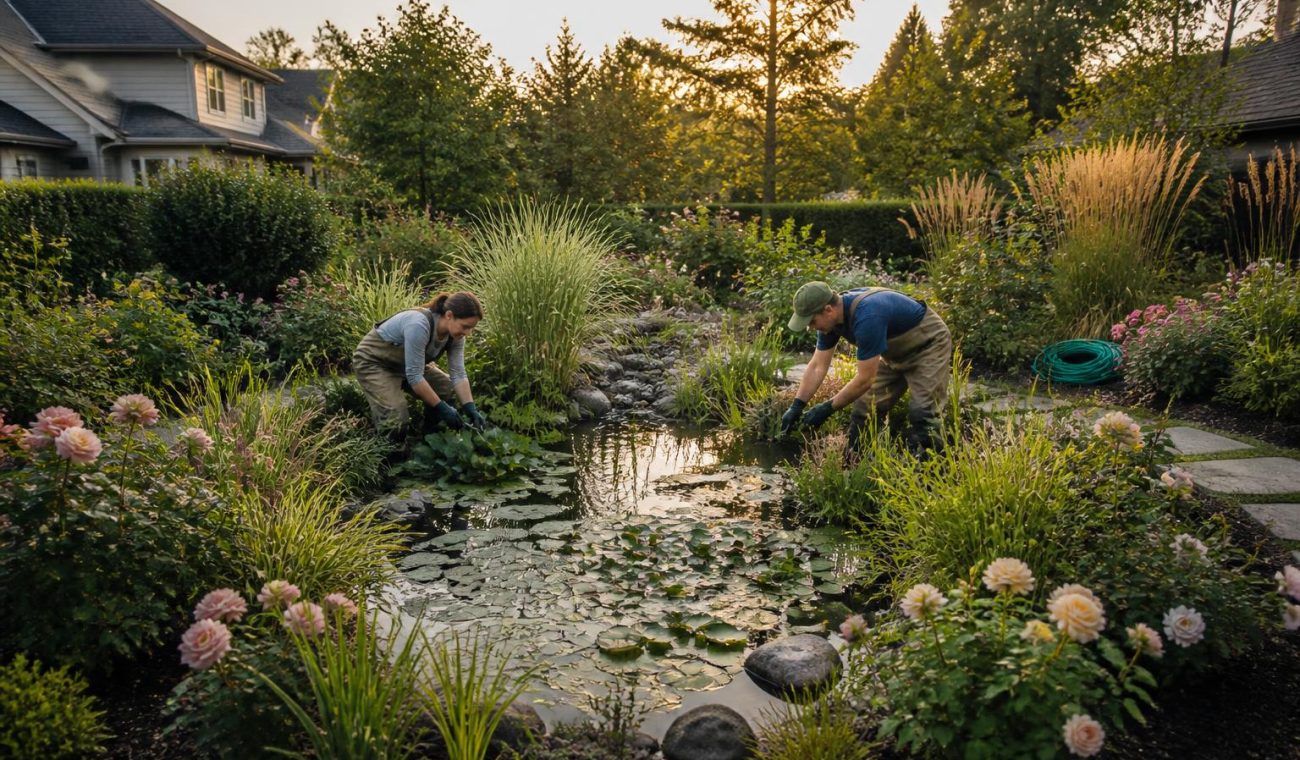
Visualizing a narrative for your pond helps guide plant choices and layout. A sun-warmed shelf invites a spectrum of marginal pond plants, while a central bed of water lilies rises like a living sculpture. Integrate logs or stones to create microhabitats, offering shelter for amphibians and insects. The careful arrangement encourages a calm, no-people zone where wildlife thrives and the garden feels more intimate.
Texture matters as much as color: combine glossy leaves with matte blades, and pair tall grasses with low rosettes to add depth. A thoughtfully designed marginscape invites wildlife closer and reduces the need for constant human intervention. With mindful spacing and ongoing observation, your pond becomes a stable, evolving vignette that rewards patience and routine care.
Seasonal Strategies for Year-Round Beauty
Spring is the moment to introduce new plantings as the water warms; place water lilies on the deeper shelves and fill borders with fresh marginal pond plants to establish a lush baseline. Summer requires steady moisture and consistent light; monitor shading to prevent scorch on tender leaves and adjust plant density to balance nutrient uptake and water clarity. Autumn invites careful pruning and seed dispersal plans to extend interest into the colder months.
Winter demands protection and containment to prevent ice damage; consider a gentle de-icer approach and ensure the patchwork of plants remains anchored. A robust, layered design helps the pond resist weather extremes and preserves some visual interest even under subdued light. By pre-planning plant rotations and storage for the colder period, you maintain a thriving ecosystem that awakens smoothly with the return of warmth.
Texture and Texture: A Subtle Layer
- Vary leaf shapes to catch light differently, creating visual interest from across the yard.
- Combine water lilies with erect marginal plants for vertical rhythm along the bank.
- Introduce evergreen foliage to keep the framework of the pondscape visible year-round.