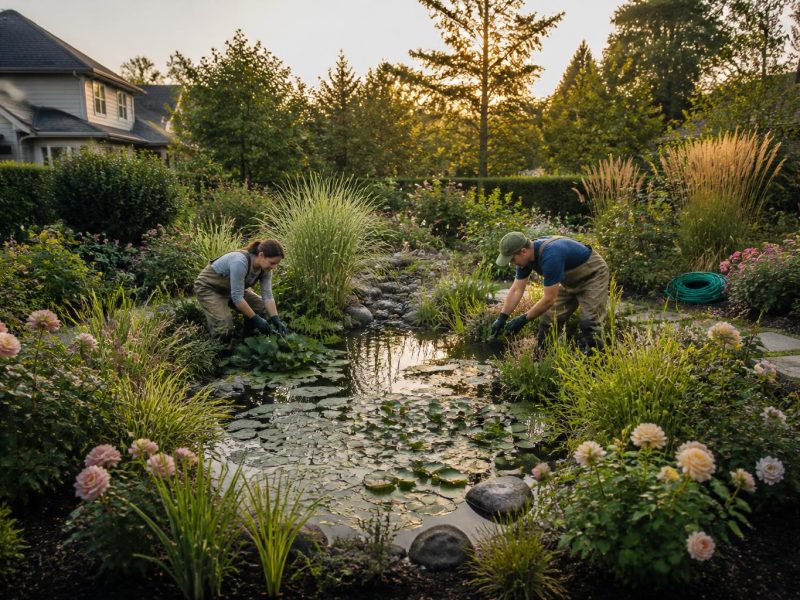
Creating a Lush, Low-Muss Pond Garden: Plants, Edges, and Water-Loving Ideas
A practical guide to building and maintaining a pond-friendly garden with British pond plants, water lilies, and light, wildlife-friendly margins.
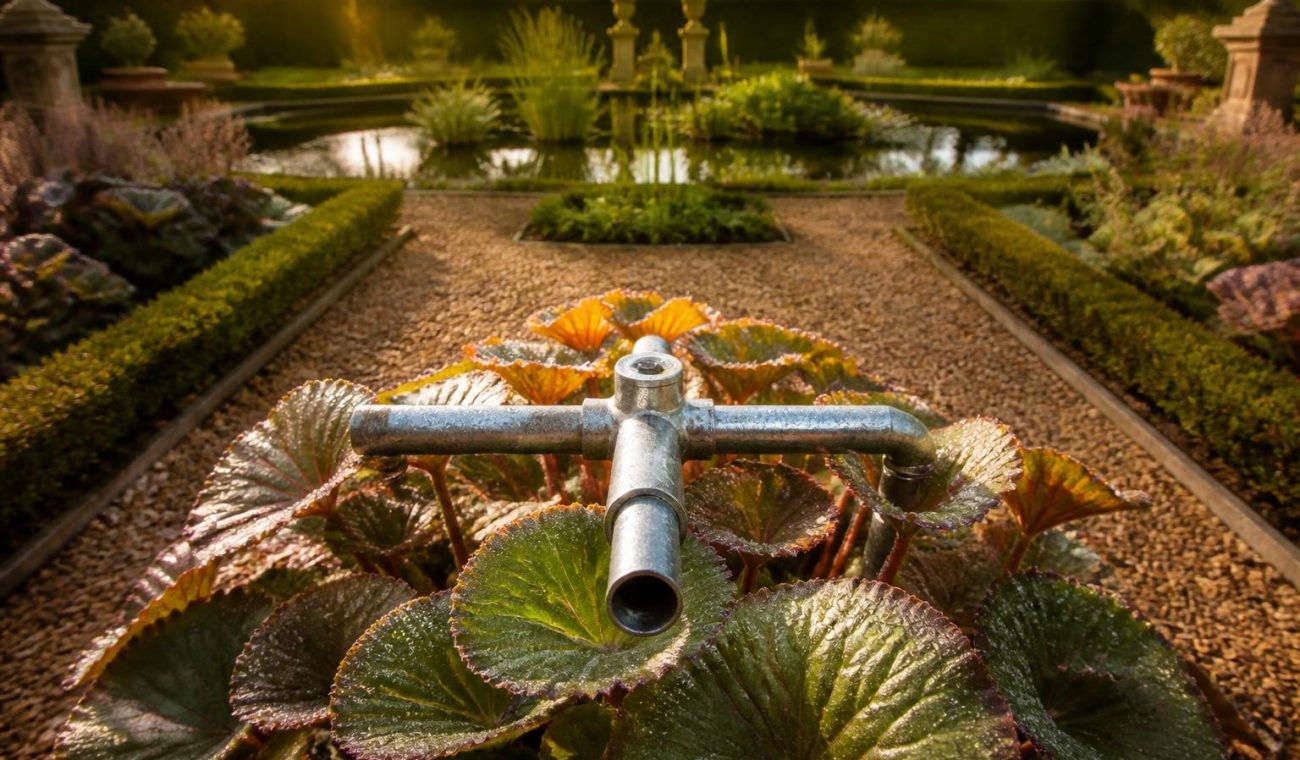
Designing a Small, Self-Sustaining Pond
Choosing the right shape and depth matters more than you might think. A shallow shelf around the edge supports marginal pond plants and makes planting easier, while a deeper center creates room for water lilies to spread without crowding the edges. Think in layers: a surface of floating and submerged plants, a middle zone of vibrant marginal species, and a submerged core that supports beneficial bacteria. Pond Plants bring color and movement, and they anchor the ecosystem from the moment you fill the pond.
Consider access and maintenance from the outset. Position the pond to catch light morning and late-day sun, and situate it away from heavy tree canopy to limit leaf litter. Use rounded, smooth edges or gently sloping rims to reduce algae hotspots and invite wildlife to drink. A modest filtration setup paired with a robust plant selection will keep water clear and inviting without overengineering the space.
Choosing Pond Plants That Thrive Together
When selecting pond plants, group by habitat needs: water lilies demand stable, sunny conditions and clear water, while marginal pond plants enjoy shallower water and slightly shaded edges. A mix of oxygenating submerged plants keeps the water healthy, prevents stagnation, and supports a balanced ecosystem. Look for british pond plants that have proven resilience and year-round interest, so the garden continues to look vibrant through the seasons.
Plant with intention: place water lilies toward the middle to create a focal point and cast shade that helps control algae, then edge the margins with buoyant marginal plants to soften the rim and provide hiding spots for wildlife. Regularly check pot depth and repot every couple of years to prevent crowding. A diverse palette, including flowering varieties, keeps the bed visually dynamic across months.
Water Lilies: Size, Style, and Seasonal Drama
Water lilies add elegance with their broad leaves and bold blooms. Choose cultivars that fit your climate and pond depth; hardy lilies often tolerate cooler British winters, while tropical varieties demand warmer conditions or indoor wintering. Plant them in baskets at the pond’s center or under the lily pads to create a layered effect that hides the root zone from view and reduces root competition with other aquatic plants.
Seasonal display matters: in spring, pale blush blossoms emerge against glossy green pads; midsummer brings a striking bouquet of color that draws bees and butterflies. As temperatures fall, some lilies retreat, providing a quiet transition into autumn textures. Ensure steady water circulation to keep leaves free of debris and to support consistent flowering each year.
Marginal Pond Plants: Borders That Breathe and Feed
Marginal pond plants form a living border that frames the water while delivering shade, habitat, and filtration benefits. Think flag-like irises, airy ferns, and compact reeds that tolerate wetter soils along the edge. The right mix creates a natural transition from lawn to water, inviting wildlife to explore and reducing visible soil erosion along the bank.
Placement matters: install taller marginal plants toward the back and shorter ones toward the front for depth and accessibility. Keep soil rich with organic matter, but avoid heavy mulches that wash into the pond. Regularly prune to maintain vigor and prevent encroachment into the open water, which can encourage stagnation and reduce oxygen levels.
Seasonal Care: Clean Water, Healthy Roots, Happy Ecosystem
Seasonal care blends observation with simple maintenance routines. In spring, remove accumulated debris and check for signs of disease or nutrient imbalance. As growth accelerates in early summer, thin crowded clumps to improve water flow and light penetration. A modest amount of fertilizer, applied to root zones, supports robust root systems without causing algae booms.
Autumn and winter demand gentler steps: prune back damage, remove dead foliage, and reduce feeding frequency to prevent nutrient overload during resting periods. If koi or other wildlife share the space, ensure enough plant cover to offer shelter while preserving open water for gas exchange. A well-tung ecosystem winterizes with fewer interventions and more natural resilience.
Wildlife-Friendly Features That Don’t Clutter the Scene
Subtle features attract beneficial insects and birds without turning the garden into a bird feeder spectacle. Install shallow bath zones, a few sun-warmed rocks for basking, and a gentle waterfall or ripple to oxygenate the water column. Plant variety matters as wildlife responds to a mix of scent, texture, and color; a quiet, natural look outperforms a rigidly designed, overly curated space.
Keep paths accessible and maintainable; a small stepping-stone route invites exploration but does not dominate the landscape. Consider a tiny drip irrigation circle that moistens the margins during droughts, ensuring plant vigor while conserving water. The overall effect should be a tranquil, usable space where no people feel intrusive or out of place.
Choosing a Substrate and Filtration System That Lasts
Substrate choice under water matters for nutrient balance and root health. A gravel or loam mix provides good anchorage for shallow-rooted plants and aids in filter bed performance. A simple, effective filtration system keeps debris in check, supports a balanced bacteria population, and reduces the risk of murky water during peak growth periods.
For best results, match system capacity to pond size and plant load. Oversized plans waste energy, while undersized ones struggle to handle seasonal nutrient surges. Regular checks on hoses, seals, and pumps prevent leaks and failures. With steady maintenance, the pond remains a reliable, year-round feature rather than a seasonal project.