Practical Garden Planning: From Soil to Style for a Fuller Home Garden
How to blend gardening, interior echoes, and sturdy home improvement ideas into a cohesive outdoor space.
Section 1: Groundwork for a Thriving Outdoor Space
In any home garden, the first step is understanding soil structure, drainage, and nutrient balance. A solid foundation supports vibrant plant life, reduces maintenance, and enhances long-term resilience for your landscape. Start by testing soil pH, amending with compost, and selecting plant varieties suited to your climate. Consider a raised bed system to improve accessibility and aeration, making future gardening tasks simpler and more enjoyable. lidar technology can inform space planning by mapping terrain changes and sun exposure with precision.
From there, map irrigation needs and wind patterns to protect delicate specimens and reduce water waste. A practical approach blends functional hardscape with soft planting, setting the stage for a low-maintenance, high-reward garden. Focus on creating microclimates within your yard—cool shade zones near structures and sun-drenched, water-wise beds—so you can enjoy a longer growing season and fewer stressors for the plants you value most.
Section 2: Choosing Plants That Pair Well with Home Improvement and Decor
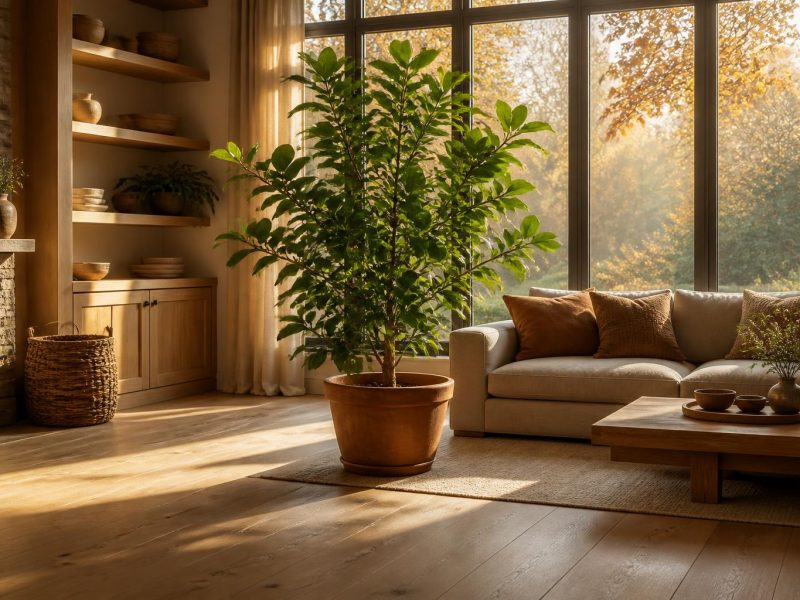
Successful outdoor spaces hinge on thoughtful plant selections that echo architectural cues and interior color schemes. Choose shrubs and perennials with foliage textures that complement exterior paint and trim, while anchoring borders with evergreen foundations for year-round appeal. Incorporate native species where possible to reduce maintenance and support local pollinators, then layer in seasonal blooms to provide dynamic color shifts throughout the year. Integrate vertical elements such as trellises or espaliered fruit trees to mirror interior wall accents and create living decor that changes with the seasons.
To maintain cohesion, group plants in complementary palettes—cool greens with warm bronzes in one bed, then repeat similar tones across containers and pathways. Plan for scent near seating areas so you experience the garden as a continuous decoration when you relax outside at dusk. Use drought-tolerant options in exposed areas and allocate richer irrigation zones for moisture-loving specimens, ensuring both practicality and visual harmony with your interior-inspired decor.
Section 3: Pathways, Patios, and Practical Hardscaping
The addition of durable pathways and a welcoming patio can transform a bare yard into a functional living space. Select pavers or decking that harmonize with your home’s exterior materials, considering slip resistance and ease of cleaning. A well-designed layout guides visitors naturally through planting zones toward seating without feeling cramped. Lighting should be subtle, energy-efficient, and mood-enhancing, knitting together architecture, decor, and gardening into a single, useful stage for everyday life.
Incorporate practical storage solutions and seating that doubles as planters or hidden compost bins to streamline maintenance. Use weathered textures and natural tones to echo interior furnishings, creating a seamless indoor-outdoor transition. If space allows, install a compact outdoor kitchen or bar area near the dining zone, enabling effortless entertaining that bridges home improvement and garden living while keeping maintenance manageable and enjoyable.
Section 4: Water Features and Microhabitats
Water features add sound, movement, and a cooling effect that can transform a garden’s atmosphere and comfort level. A small fountain, cascading waterfall, or reflective pond can create a focal point while supporting microhabitats for beneficial wildlife. Ensure safety and maintenance plans are in place, with a simple filtration system and a routine cleaning schedule. Position water elements to mask noise from neighboring streets while echoing the tranquil vibes of well-curated interior spaces.
Consider a rain garden to capture runoff and improve drainage, turning a potential problem into a visual asset that aligns with sustainable home improvement goals. Native aquatic plants and gravel borders foster a naturalistic look that still feels intentional and designed. Mind the seasonal variations in water level so aquatic plants have steady foundations, and maintain a balance between visual appeal and ecological function.
Section 5: Lighting, Color, and Seasonal Rhythm
Exterior lighting is a crucial decor element that extends usability of the garden after sunset while boosting safety and curb appeal. Layer lighting with task, ambient, and accent features to emphasize plant silhouettes, pathways, and seating areas. A warm white palette complements most home exteriors and interior design styles, while color-changing and programmable fixtures offer seasonal drama without overwhelming the space. Consider solar options for sustainability and lower ongoing costs.
Seasonal rhythm can be reinforced with color psychology—cool blues and greens in spring and summer, warmer citrus tones in autumn. Plan flowering windows to provide continuous interest, and plant bulbs for spring drama that frames outdoor rooms with bright anticipation. Weather resistance and simple maintenance tasks should remain a constant consideration so that lighting investment enhances your garden year after year.
Section 6: Containers, Edging, and Portable Elements
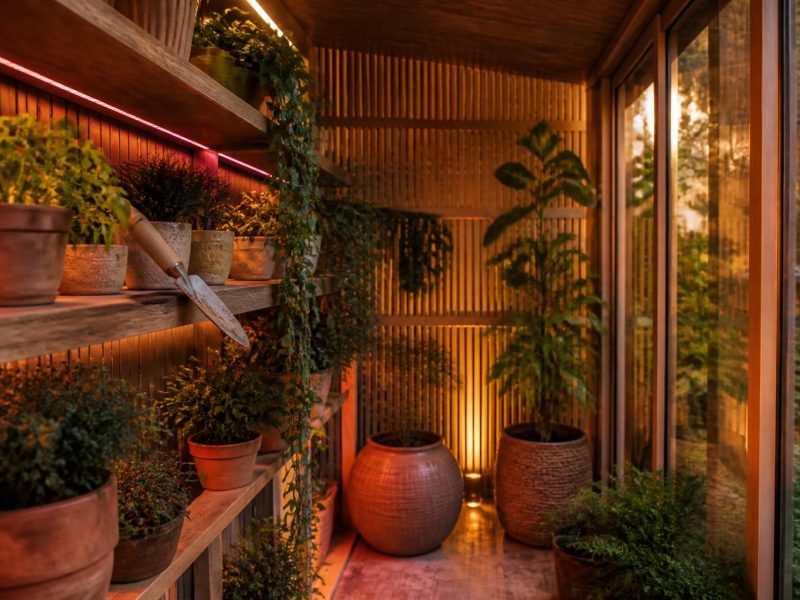
Containers are powerful tools for blending interior aesthetics with outdoor gardening, offering flexibility for color, texture, and seasonal changes. Choose robust, weatherproof pots in finishes that echo interior decor, such as matte ceramic or rustic stone. Elevate containers with trailing or sculptural plants to create focal points on steps, patios, or entryways, mirroring indoor table arrangements and decorative accents. Regular repotting and soil refreshes keep container plants thriving and visually vibrant.
Edge definition frames the garden and protects borders from lawn encroachment while giving a finished, curated feel. Use materials like metal, wood, or stone that align with your home’s exterior decor and interior furniture style. For a playful touch, rotate container placements with seasonal changes, which allows the space to evolve without costly alterations, keeping the outdoor area fresh and aligned with your home improvement goals.
Section 7: Maintenance Routines and Long-Term Planning
A practical maintenance plan ensures your garden remains healthy and welcoming without becoming overwhelming. Establish a weekly checklist that includes weeding, pruning, mulching, and soil moisture checks. Automate irrigation where feasible and adjust schedules seasonally to conserve water while maintaining plant vigor. Document plant performance and soil amendments to guide future planting choices and budget allocations for upgrades.
Develop a long-term visual map of the space, noting sun angles, drainage shifts, and plant growth over time. This forethought helps you plan interior decor updates that align with your outdoor space, reinforcing a cohesive home narrative. Regularly review your plant selections against evolving climate conditions and gardening trends to preserve both function and beauty in your home garden for years to come.