Smart Ways to Elevate Your Home Garden: Practical Tips for Interior-Exterior Harmony
Practical guidance to blend interior comfort with outdoor beauty, turning every corner of your home into a living, thriving sanctuary.
Planning for a cohesive garden and interior flow
Creating a seamless link between indoor comfort and outdoor vitality starts with thoughtful planning. Consider how routes from the kitchen or living room lead to seating areas, planting beds, and shaded nooks. Map light exposure, wind patterns, and water access to ensure each space feels connected yet distinct, so guests experience harmony rather than disjointed zones. First, sketch zones for entertaining, growing, and quiet retreat to anchor your decisions around need and mood. backpack leaf blower helps manage spaces without heavy equipment noise interrupting moments of calm.
Before buying, audit what you already own and what you wish to upgrade. Light fixtures, furniture, and planters should echo a shared aesthetic—think natural wood tones with muted green accents or matte black hardware for a modern touch. This alignment supports home improvement goals and makes both interior and exterior areas feel designed, not patched together. Establish a color palette, then layer textures like rattan, linen, and stone to invite tactile comfort and visual cohesion.
Choosing plants that thrive together and fit interior decor
Healthy planting starts with selecting species that share water needs, sun requirements, and growth rates. Group drought-tolerant perennials with sun-loving annuals near south-facing windows and sheltered porches, so progression through the seasons remains vibrant. Integrate edible herbs in container gardens adjacent to kitchen doors for practical access, while flowering companions provide pollinator-friendly color that enhances both decor and gardening momentum. This approach blends beauty with practical home improvement goals that extend beyond aesthetics.
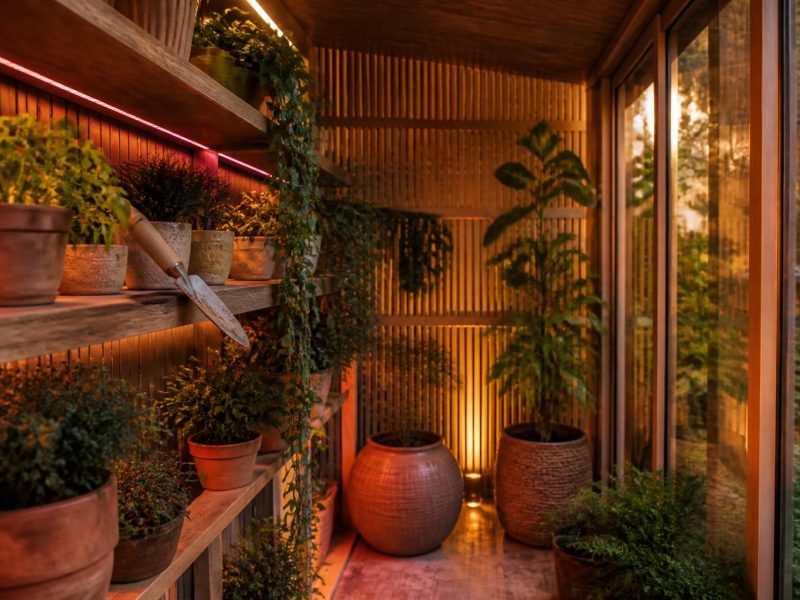
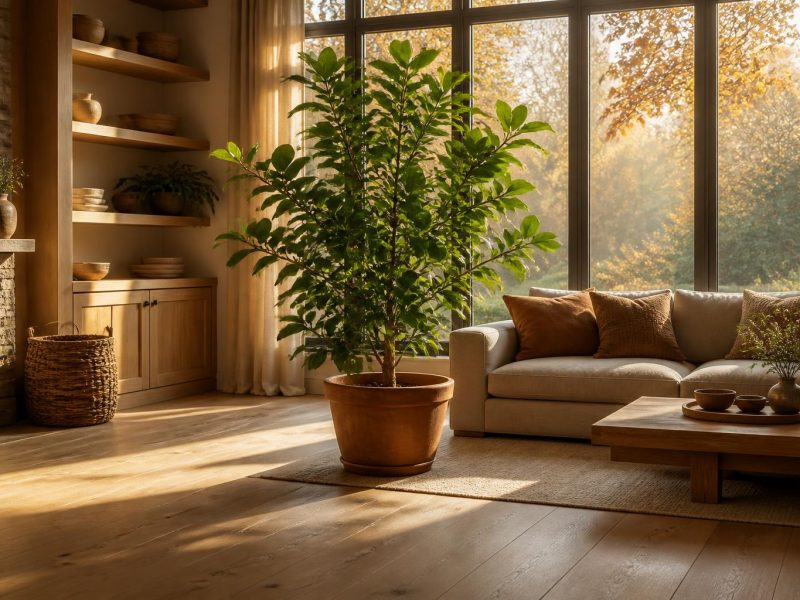
When planning containers, mix sizes and shapes to create rhythm along walkways and entryways. Use lightweight pots for easy rearrangement as seasons shift, and place evergreens where you want year-round structure visible from inside the house. Consider verticality with trellises or espaliered fruit trees to maximize space and drama without crowding. By pairing plant choices with planter materials—terracotta, ceramic, and metal—you reinforce a cohesive design language across interior and exterior spaces.
Soil, water, and maintenance habits that support longevity
Soil quality underpins every thriving garden and influences long-term interior airflow through healthier outdoor spaces. Start with a simple soil test to determine pH and nutrient levels, then amend with compost and a balanced slow-release fertilizer according to plant needs. Develop a watering schedule that accommodates rainfall and irrigation system efficiency, ensuring plants receive consistent moisture without waste. Good maintenance habits translate into fewer problems and stronger decor statements outdoors.
Mulching helps retain soil moisture, suppress weeds, and steady soil temperatures, which is especially important for containers near living spaces. A light annual clean-up of spent blooms and woody debris reduces pest hiding spots and preserves the visual calm that makes outdoor areas feel inviting year-round. Invest in a basic toolkit—hand pruners, a trowel, a moisture meter, and a wand sprinkler—to simplify tasks and keep the garden enviably tidy and functional.
Outdoor lighting that enhances atmosphere and safety
Strategic lighting extends your living space into the evening and highlights architectural features you want to showcase. Use a layered approach: soft ambient lighting along pathways, task lighting near seating, and accent lights to draw attention to sculpture, water features, or specimen plants. Consider warm white LEDs for a welcoming glow, and ensure electrical components meet outdoor ratings for durability. Good lighting supports both decor and daily routines after dusk.
Automation and smart controls can simplify maintenance while boosting home improvement value. Schedule lights to mimic occupancy when you’re away, and pair string lights with solar-powered path lamps for energy efficiency. Maintain a balance between brightness and shadows to preserve evening ambiance, making sure outdoor living areas feel as refined as interior rooms and inviting for gatherings or quiet reflection.
Furniture, textiles, and decor that unite inside and out
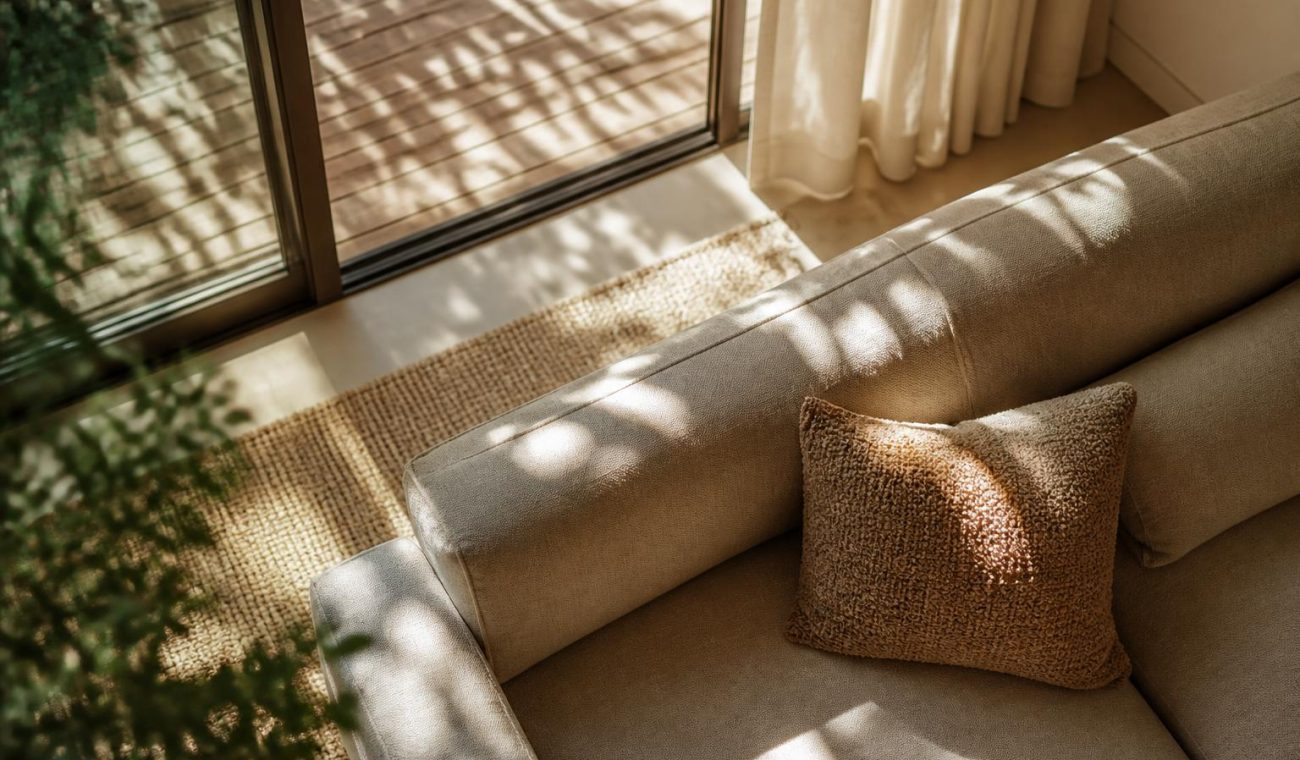
Selecting furniture that resists weather while reflecting interior aesthetics creates a continuous narrative between spaces. Choose neutral cushions with sun-resistant fabrics and reupholsterable frames to extend life, pairing them with outdoor rugs that echo indoor textures like woven jute or soft wool patterns. Incorporate decor elements from indoor rooms—framed art, ceramic vases, and greenery arrangements—to forge a unified style that travels effortlessly from living room to patio.
Textiles add warmth and comfort, so rotate cushions and throws seasonally to refresh the scene without purchasing anew. Integrate sustainable materials and timeless silhouettes to ensure decor remains relevant for years. The goal is a cohesive look that feels intentional, making both interior and exterior visits feel like part of one curated space rather than separate environments.
Maintenance routines that protect both interior and exterior comfort
Consistent upkeep saves money and preserves beauty across seasons. Create a simple schedule: monthly pruning, quarterly soil checks, and seasonal plant rotations to maintain vigor. Cleaning gutters, refreshing mulch, and inspecting irrigation lines reduce issues that could disrupt outdoor enjoyment or nearby interior spaces. A routine that aligns with your calendar simplifies tasks and keeps your home garden looking polished year-round.
Documentation helps you stay organized: photograph plant placements, note fertilization dates, and track growth trends. This practice informs future decor decisions and interior updates, ensuring that gardening choices support evolving home improvement goals. By treating maintenance as a mindful habit rather than chore-driven work, you preserve the integrity and charm of both indoor and outdoor areas.
Seasonal transitions: adapting decor and planting schemes
Seasonal transitions present opportunities to refresh both interior and exterior aesthetics. In spring, introduce fresh greenery, bright blooms, and lighter textiles that mirror fresh interior color palettes. In autumn, emphasize warm tones, layered textures, and hardy hardy-perennial choices that survive cooler days. This rhythm keeps your home garden lively and aligns with interior decor shifts, sustaining a cohesive environment across the year.
Evaluate what to prune, replant, or replace as growth cycles advance. Use this time to reassess layout, container choices, and lighting needs to maintain flow and function. A thoughtful approach to rotation—plants, textures, and finishes—helps your space remain inviting, practical, and visually linked from indoor rooms to outdoor retreats.