Smart Landscaping and Practical Garden Design: A Practical Guide for Home Improvement and Interior-Influenced Outdoor Spaces
A practical guide blending home improvement know-how with gardening aesthetics to elevate exterior spaces and interior-inspired garden styling.
Introduction: Blending Home Improvement with Outdoor Living
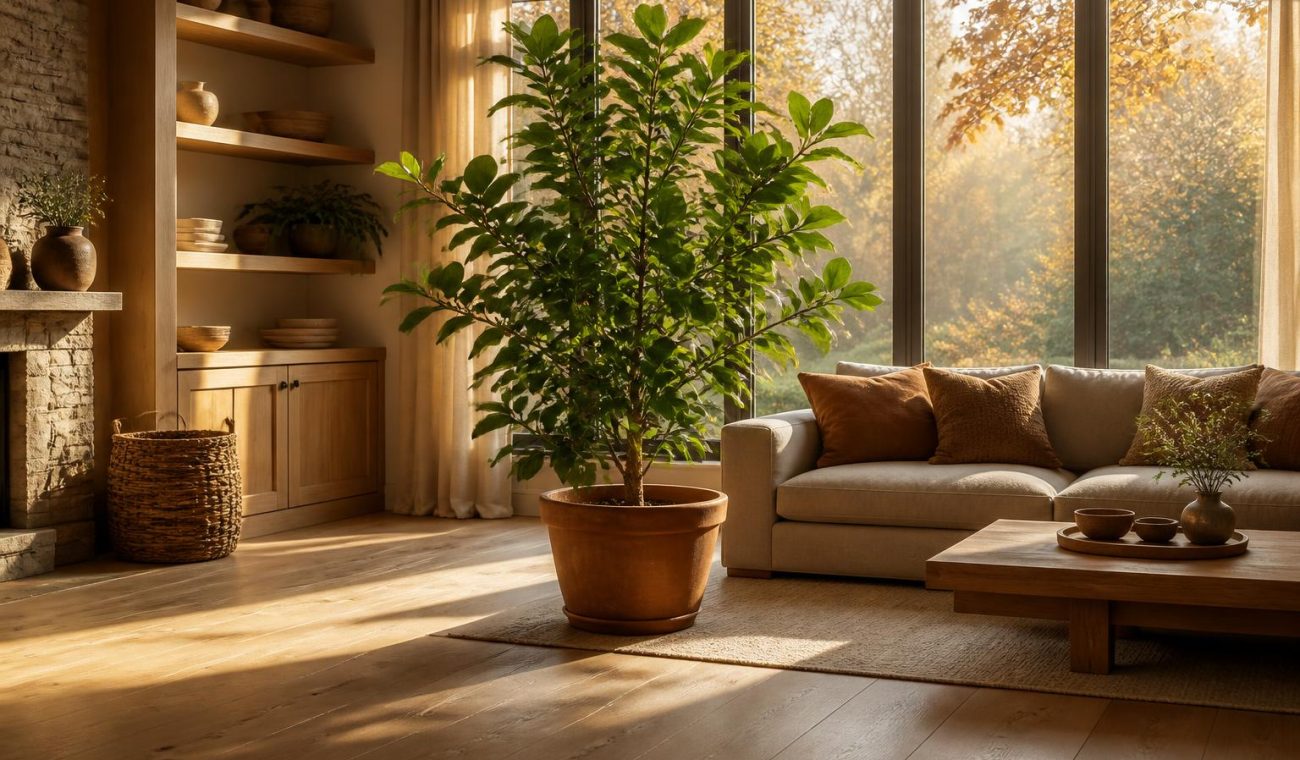
Gardening today isn’t limited to soil and spades; it blends practical home improvement principles with interior-inspired aesthetics to create cohesive outdoor living. The right approach considers plant choice, layout, and durable materials that echo indoor comfort while withstanding weather. For homeowners seeking efficiency, a smart toolset can transform maintenance into a simple routine, including a smart lawn mower smart lawn mower that reduces time spent on mowing and keeps edges tidy, enabling more time for decor-minded planning.
Understanding how exterior spaces relate to interior rooms helps guide decisions about color palettes, furniture, and lighting. This approach supports long-term home improvement goals by ensuring the garden mirrors the house’s mood and architectural style. Thoughtful plant selections, durable materials, and scalable layouts provide a seamless transition from interior to garden, enhancing curb appeal while supporting sustainable landscaping choices.
Formal Backyards: Structure, Symmetry, and Seasonal Texture
Formal backyards rely on precise geometry, clear sightlines, and repeatable elements that echo interior design principles such as balance, rhythm, and proportion. A symmetrical path, paired with evenly trimmed hedges and a limited color palette, creates a calm outdoor room that feels intentional. Weather-resistant furniture and planters can be mixed with evergreen specimens to maintain order during winter months and offer a consistent backdrop for growing seasonal color.
Seasonal texture emerges through layers of foliage, stone, and textiles that mimic interior textiles like throws and pillows. Introduce a gravel or paver border to define zones for dining and lounging, while choosing plants with different leaf textures to add depth. The goal is a timeless outdoor room where hardscape and planting cooperate rather than compete, reinforcing the home improvement narrative across the year.
Informal Gardens: Curves, Microclimates, and Everyday Accessibility
Informal gardens invite relaxed planting schemes with curved borders and varied heights that soften hard edges, much like a comfortable living room. Plant groupings in drifts create natural rhythms, while companion planting improves health and yields in edible beds. Accessibility matters, so pathways should be wide enough for a wheelbarrow or a gardener with mobility aids, reinforcing the idea that decor and function can coexist without sacrificing beauty.
Microclimates created by sun exposure, wind protection, and water availability dictate species choices and placement. Choose drought-tolerant natives for hot, sunny spots and moisture-loving varieties for shade pockets near walls. By combining thoughtful irrigation, mulch, and seasonal color, an informal garden becomes a forgiving canvas that supports ongoing home improvement projects while preserving a sense of whimsical decor.
Container Plants and Small-Space Fixes: Elevating Every Nook
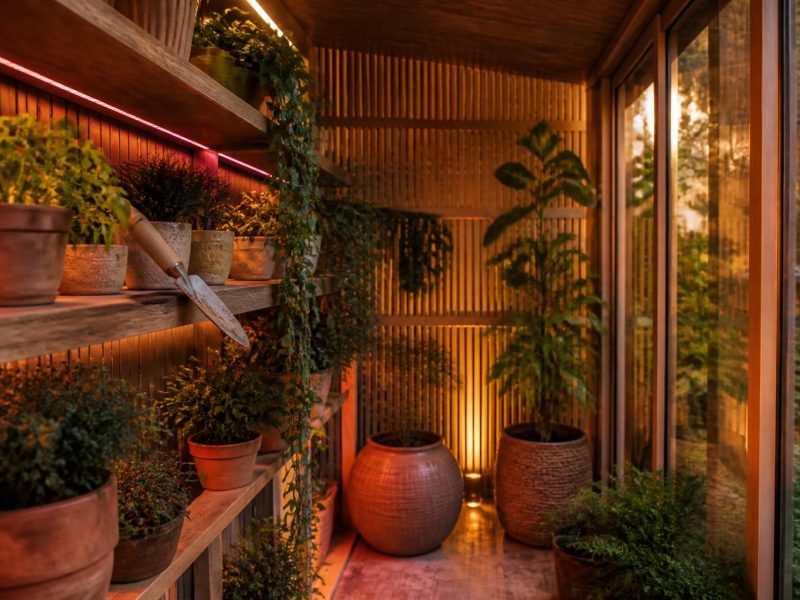
Containers extend interior style into the outdoors, letting you experiment with color, texture, and scale without permanent commitments. Material choices—ceramic, concrete, or resin—should harmonize with outdoor furniture and architectural details within the same color family. Elevate raised planters with metal edging or decorative trim to echo interior architectural cues, creating a concise, cohesive look that still accommodates seasonal changes.
Small-space gardens benefit from vertical gardening, tiered stands, and smart irrigation introduced through simple, modular systems. Select compact fruiting plants or herbs for easily reachable harvests, and pair them with aromatic perennials to heighten sensory experiences. When decor elements—like lanterns, cushions, and outdoor art—are coordinated with plant palettes, even tight spaces feel expansive and purposefully designed.
Edible Landscapes: Functional Beauty and Year-Round Interest
Edible landscapes blend practicality with decorative appeal by pairing fruiting shrubs, edible perennials, and ornamental elements that complement the house’s style. Plantings arranged in layered heights create a microcosm of a kitchen interior, where different textures echo textiles and finishes. A clutter-free layout with tidy edges ensures ease of maintenance and aligns with a disciplined home improvement mindset.
Seasonal edible crops provide ongoing interest: berries in late spring, leafy greens for cooler months, and herbs for fresh cooking. Integrate ornamental features such as trellises and arbors to support fragrance and vertical interest, while choosing mulch and groundcovers that suppress weeds and stabilize moisture. An edible landscape that looks intentional year-round aligns well with interior-inspired decor sensibilities and practical gardening goals.
Lighting, Drainage, and Durable Materials: The Backbone of Outdoor Rooms
Outdoor lighting reflects interior mood lighting while extending usability into the evening. Layered lighting—path lights, uplights for focal trees, and warm patio sconces—creates depth and safety. Proper drainage under patios and beds prevents puddling and plant stress, preserving the overall aesthetic and reducing maintenance needs. Durable materials like powder-coated metal, UV-stable plastics, and natural stone resist weathering and support long-term home improvement plans.
Outdoor textiles must withstand sun, wind, and humidity; choose fabrics labeled for outdoor use and apply protective coatings to furniture. A resilient material palette harmonizes with interior tones, ensuring the garden remains an extension of living spaces rather than a separate domain. Thoughtful lighting and dependable drainage solidify the garden as a true, usable room at all seasons.
Conclusion: Integrating Decor, Gardening, and Interior-Inspired Outdoors
Ultimately, successful home improvement in outdoor spaces blends garden practicality with interior-style decor. The goal is a cohesive environment where furniture, plantings, and pathways feel intentional and a bit curated, mirroring indoor rooms. By planning around color, texture, and scale, you create an outdoor room that brings the house together and invites celebration of both gardening and daily living in equal measure.
Regular maintenance, smart tools, and seasonal updates help keep this vision alive. Use durable containers, climate-appropriate plants, and water-smart irrigation to sustain the look and function of the space. When you treat the exterior as an extension of your interior design, gardening becomes less about chores and more about creating a welcoming, well-curated home across all spaces.