A Practical Guide to Transforming Your Home Garden: From Soil to Style
A practical guide for elevating your home garden with thoughtful planting, clever decor, and simple interior-inspired upgrades that invite nature closer.
Designing a Functional Garden Space
Creating a garden that feels like an extension of your interior begins with a thoughtful layout that prioritizes flow and accessibility. Start by mapping zones for sun, shade, and wind protection, then assign paths and seating that invite lingering moments outdoors. Choose durable materials that echo interior textures, such as stone, wood, or ceramic tiles, ensuring a cohesive look that transcends seasons. As you plan, consider a clear sightline to water features or focal plants that anchor the space. For a deeper look, see Pond Plants.
Integrating storage solutions keeps your garden tidy and ready for daily use, supporting genuine home improvement goals. Install weatherproof cabinets, benches with hidden compartments, or wall-mounted shelving for tools and decor accents. This approach reduces clutter, enhances safety, and reinforces a sense of calm. When you treat outdoor areas like interior rooms, every element—from lighting to planters—contributes to a cohesive, inviting atmosphere.
Selecting Plants for Structure and Color
Choose a backbone of structural plants such as evergreen shrubs or architectural perennials that provide year-round form, even in winter. Pair these with seasonal color through flowering perennials, grasses, and bulbs to maintain visual interest across the year. Thoughtful planting combinations can elevate a plain space into a curated landscape, much like a well-designed room has balance, rhythm, and texture that guide the eye.
Consider the microclimates within your garden when selecting species to ensure robust growth. Group plants with similar sun and water needs, and use mulch to conserve moisture and suppress weeds. This not only supports healthier specimens but also reduces maintenance, aligning with practical home improvement goals and sustaining a vibrant, low-stress garden.
Incorporating Water Features and Sound
Water features can transform a garden into a tranquil retreat, offering visual focal points and soothing sounds that mimic nature indoors. A small fountain, pond, or bubbling urn can become a sensory anchor, guiding movement and encouraging wildlife. When selecting a feature, weigh energy use, maintenance requirements, and scale to ensure it complements the rest of your landscape rather than dominating it.
Placement matters: situate a fountain where it can be heard from seating areas but not overwhelmed by high winds or heavy foot traffic. If you opt for a pond, consider a shallow margin with marginal plants and a safe, accessible edge for children or pets. A well-chosen water feature supports relaxation, enhances the garden’s decor, and becomes a focal point for gatherings.
Vertical Space and Container Gardening
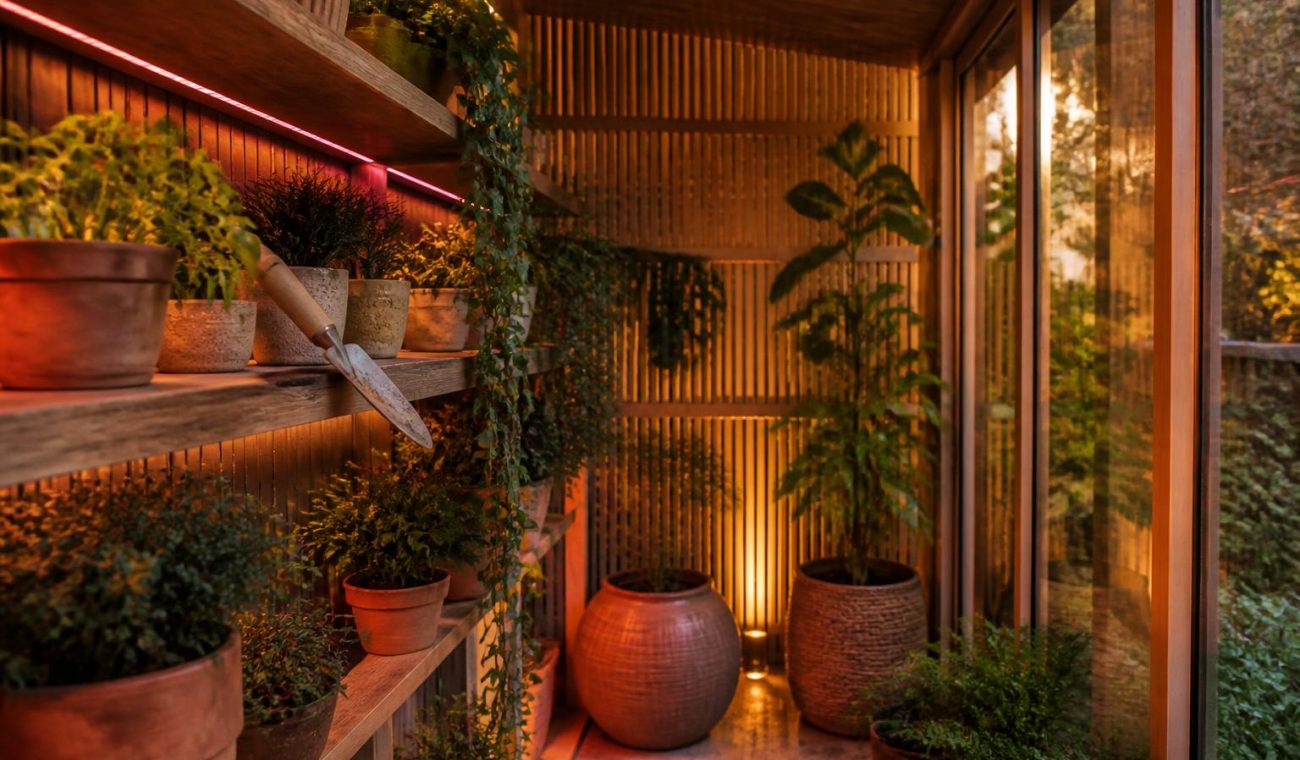
Vertical gardening unlocks opportunities for small plots, balconies, or shady corners, letting you maximize space without sacrificing aesthetics. Use trellises, wall planters, or stacked containers to create living walls, botanical art, and layered color. Select lightweight, weather-resistant containers and high-contrast plant pairings to draw the eye upward, echoing interior design elements like accent walls or gallery shelves.
Container gardening offers flexibility for seasonal shifts and decor updates. Mix edibles such as herbs and baby greens with ornamental varieties to keep color and aroma in constant play. Ensure proper drainage and use high-quality potting mix, which improves plant health and reduces ongoing maintenance, aligning with everyday home improvement goals.
Lighting for Ambiance and Safety
Outdoor lighting extends usability into dusk and evening hours, enhancing safety while creating a warm, inviting mood. Layer lighting with path lights, wall washers, and accent spots to highlight architectural features and focal plants. Thoughtful placement can mimic the warmth of interior lamps, reinforcing a sense of home through soft, color-balanced illumination.
Energy-efficient fixtures and solar options can minimize running costs while preserving the garden’s atmosphere after dark. Use dimmable options to adjust intensity for entertaining or quiet evenings. Well-planned lighting not only improves usability but also reinforces decor continuity between indoor and outdoor spaces.
Soil Health and Sustainable Practices
Healthy soil is the foundation of a thriving garden, influencing disease resistance, growth rate, and overall vitality. Start with a soil test to identify pH and nutrient gaps, then amend with compost, sand, or organic matter to improve texture and drainage. By layering organic amendments, you empower plants to access nutrients naturally, reducing the need for synthetic fertilizers and supporting long-term sustainability.
Adopt sustainable practices such as rainwater harvesting, mulching, and natural pest management to protect pollinators and biodiversity. Choose beneficial insects, avoid broad-spectrum chemicals, and plant diverse species to create resilient ecosystems. These habits align with thoughtful home improvement by reducing waste and fostering a healthier outdoor living space.
Decor and Outdoor Living Rooms
Outdoor decor should echo interior styling, using cushions, textiles, and seasonal accents that are both weather-resistant and easy to clean. Consider a cohesive color palette that complements surrounding flora and architectural features, then layer textures with woven rugs, lanterns, and metal sculptures. A well-dressed seating zone invites conversation, reading, and quiet reflection, blurring the line between inside and out.
Functional decor includes practical elements like a small side table, trestle for meals, or a compact bar area for entertaining. Weatherproof fabrics and removable cushions make updates simple and affordable. When your garden decor mirrors interior aesthetics, the space feels intentional, welcoming, and tailored to daily use.
Pond and Aquatic Elements
- Water features add movement, sound, and reflections that elevate any garden design.
- Plant choices around water should balance foliage, color, and maintenance needs.
- Regular cleaning and safe edging protect both aesthetics and safety for children and pets.