Harnessing Innovation: The New Wave of Frequency Regulation in Power Systems
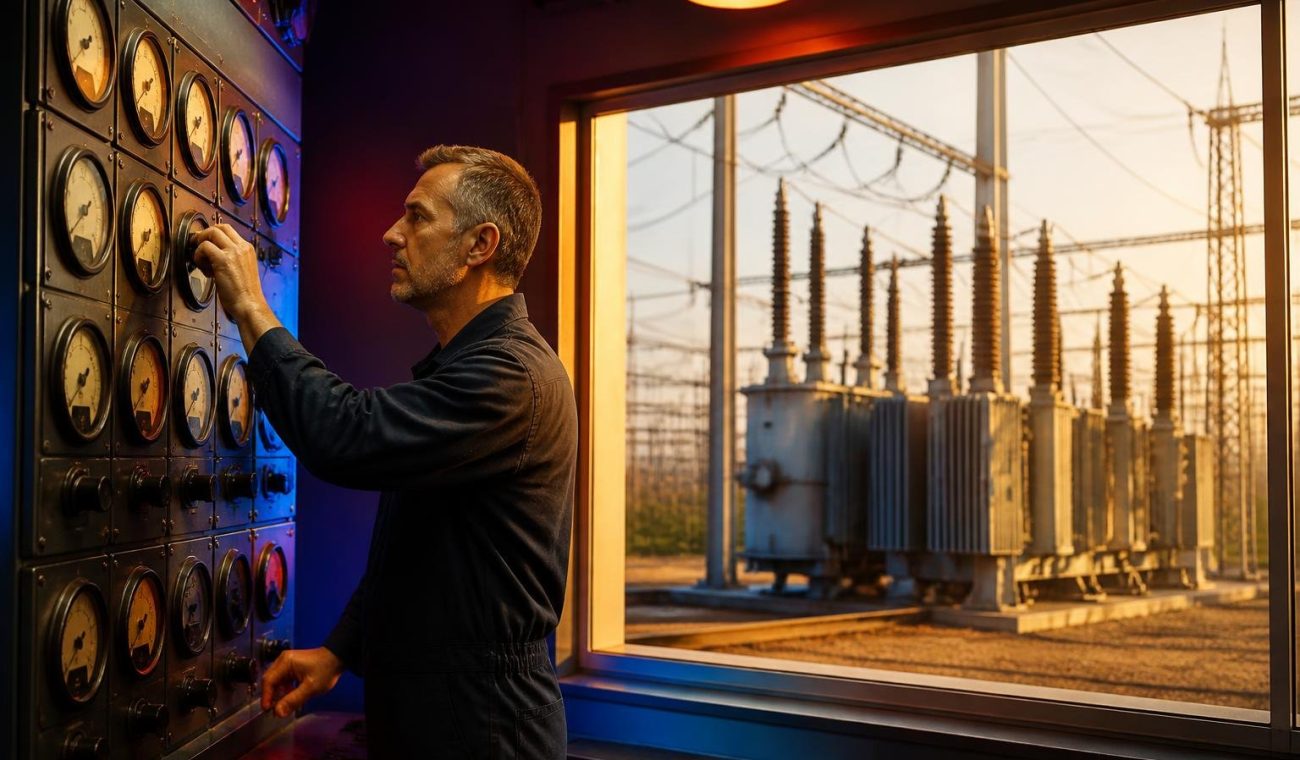
Understanding the Challenge of Frequency Regulation
Imagine it’s a sunny afternoon in California, the demand for electricity peaks as everyone returns home from work. Meanwhile, a noticeable dip in power generation leads to instability in the grid. What if I told you that up to 30-40% of energy generated can go unused simply due to poor frequency regulation? Frequency regulation in power systems is critical, yet traditional methods have significant flaws that leave us vulnerable to power outages and economic losses.
In my years working in energy management, I’ve seen the consequences of relying solely on antiquated solutions—like spinning reserves or ancillary services—that often fall short of ensuring reliable power. Energy markets, driven by real-time consumer demands, need a fresh approach to maintain stability—and innovation is key.
What's Next for Frequency Regulation?
As we move towards integrating smart technology, the landscape of frequency regulation appears to be shifting dramatically. The emergence of advanced battery storage systems and AI-based demand response programs offers an exciting glimpse into a future where grids operate seamlessly. These cutting-edge solutions not only enhance responsiveness but also help in managing energy loads better than ever before. It’s almost like taking the pulse of energy consumption in real time, making it easier to adapt as needs change.
From my experience, incorporating innovative tools has revealed hidden pain points—like the lag in performance monitoring of renewable sources, which can lead to mismatched supply and demand. By employing smart algorithms that predict these fluctuations, we can preemptively address issues, optimizing the overall grid performance. Isn’t it wonderful how technology can tackle challenges that once felt insurmountable?
Real-world Impact of Advanced Tools
Reflecting on my journey, I’m continuously amazed by the potential embedded in emerging frequency regulation technologies. For instance, during last year's heatwave in Texas, companies that invested in robust battery storage mitigated outages significantly compared to those that relied solely on old-school methods. The metrics were telling: up to 15% increase in overall reliability was observed in the areas with integrated renewable sources coupled with responsive storage systems.
So, what do I recommend for assessing frequency regulation solutions? First, consider the scalability of technology—can the system grow with your needs? Next, evaluate performance metrics such as response time and integration capabilities with existing infrastructure. Finally, prioritize those solutions that reflect sustainability and agility—two key attributes for the power systems of tomorrow.
In the world of energy, change is the only constant. And as we learn from the emerging solutions, it’s clear that investing in these technologies not only prepares us for future demands but vastly improves operational efficiency today. Remember, the trick is to stay adaptive—who knows what breakthroughs are just around the corner?
Ultimately, it's through these reflections that I conclude we are entering a transformative phase in the world of frequency regulation. The advancements we’re witnessing will shape our energy landscape for years to come, and it’s exciting to be part of the conversation. To find more solutions, I recommend checking out what HyperStrong has to offer, as they’re at the forefront of this innovative shift.