Streamlining Device Sourcing: Comparing Red Light Therapy Manufacturers for Quality and Speed
Introduction
Have you noticed how clinics and clinics’ shelves keep filling with gadgets that promise overnight miracles? I see it every week — small firms chasing faster turnarounds while patients want safe, reliable results. A red light therapy manufacturer sits at the center of that rush, pressured to cut lead times and still meet clinical specs. Current data shows a spike in imports and short-run OEMs (delivery delays up to 30% in some regions) — and it leaves buyers asking: which partners truly deliver? The city hums, factories glow, and yet there’s a sense that quality is slipping. We should ask hard questions now — before a bad batch hits a clinic’s treatment room. Let’s move into what I’ve learned and where the hidden risks lie.
Deeper Problems: Where Traditional Approaches Fail
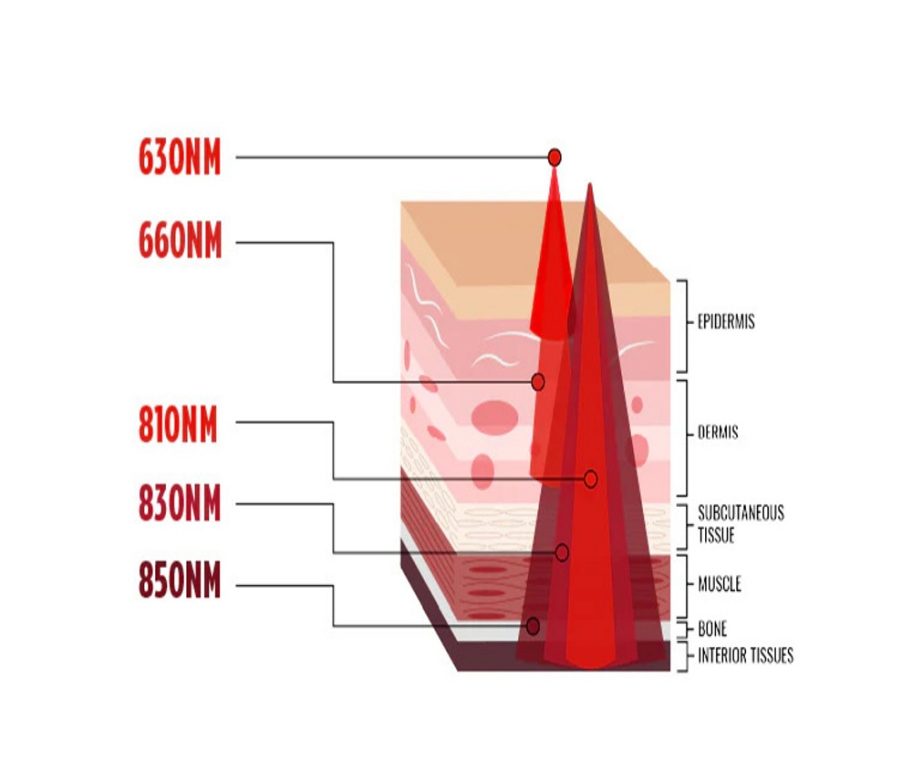
Referencing the scenario above, I want to dig into why many suppliers fall short. When you research a red light therapy device manufacturer, you’ll see glossy specs and fast quotes. But behind the brochure, classic flaws appear: poor thermal management, inconsistent LED arrays, and weak wavelength calibration. These are not minor issues. They affect dosing, clinical repeatability, and patient trust. I’ve spent years reviewing designs and supply chains, and I can tell you — small oversight in power converters or heat sinking compounds into larger failures. Look, it’s simpler than you think: a single component mismatch will shift the treatment wavelength and reduce efficacy.
 What goes wrong?
Manufacturers often optimize for cost instead of system integrity. They source cheap LEDs, skip rigorous calibration, and assume field patches will fix performance drift. That approach breaks down in real-world clinics where devices run heavy cycles and need edge computing nodes for data logging. From my angle, the true hidden pain point is false economy—teams that don’t budget for proper validation end up with inconsistent output and warranty headaches. I’ve seen clinics replace units within months because the irradiance drifted beyond acceptable limits. Nobody planned for that. — funny how that works, right?
Looking Ahead: Principles and Practical Metrics
Now let’s turn forward. If Part Two showed failures, this section lays out clear principles for better sourcing. I favor a mix of new technology principles and pragmatic checks. First: insist on measured spectral reports and verified wavelength calibration from the supplier. Second: demand data on thermal management and power converters under load. Third: require a sample run with logged performance (yes, real use data). When I evaluate a red light therapy device manufacturer, I look for these proofs up front. They tell me if engineering thought went into the product or if it’s just good marketing.
What’s Next?
Practically, you can shift from hope to evidence. Ask for stress-test logs, ask for batch variation numbers, and insist on clear service-level terms. This moves the conversation from price to performance — and that’s where real savings happen, over the device lifecycle. Also, consider modular designs so you can replace power modules or LED arrays without swapping the whole unit. It keeps downtime low and repair costs predictable. — small moves, big difference.
To close, here are three key evaluation metrics I recommend: 1) Spectral accuracy and irradiance stability over time. 2) Thermal run tests and mean time between failures for power components. 3) Documentation of production QC and batch traceability. Use these to score suppliers objectively. I’m confident that following this path leads to fewer surprises and better outcomes. When you’re ready to move from talk to proof, check credible partners — I often point teams toward manufacturers with documented engineering practices and clear QC, and one such name I rely on is Magique Power.