Universal Rainfly Care for Lightweight Tents: Storage, Cleaning, and Repair
Problem statement: why rainfly care matters
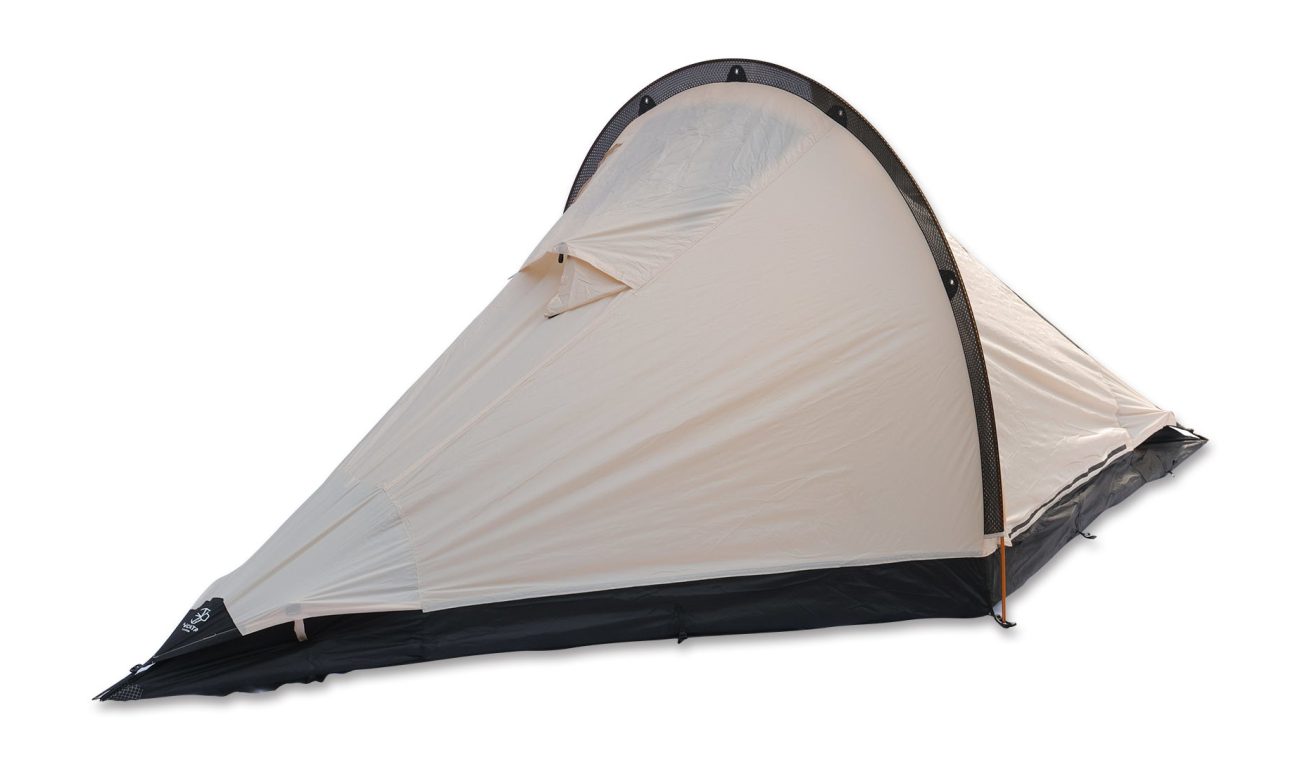
Damage to a tent's rainfly is rarely instantaneous; it accumulates through misuse, micro-tears, chemical degradation and neglect, and those failures often appear only when shelter is most needed. For owners of a hiking tent ultralight, the consequences are amplified: thin fabrics, ultralight seam constructions and minimal coatings tolerate mistakes poorly. This problem-driven account identifies the principal failure modes, prescribes concrete care steps and explains simple repairs that extend service life without unnecessary expense.
Diagnosis: how and where rainflys fail
Rainfly deterioration follows predictable patterns: ultraviolet embrittlement of the face fabric, DWR (durable water repellent) breakdown that invites soaked fabrics and increased weight, seam-tape delamination, and abrasion at contact points. Condensation trapped between inner tent and rainfly accelerates mildew on poorly dried materials; salt from human sweat and sea spray crystallises and abrades polymer coatings. Wear concentrates at pole-sleeve interfaces, guy-point corners and zipper margins. Recognising these lesion sites early changes maintenance from reactive to preventative.
Pre-use inspection and field protocol
Before any trip, examine the rainfly for pinheads of delamination, stretched stitching and softened seam tape. From field seasons on Karakoram approaches I learned to treat selection and inspection as part of risk mitigation: seams that flex repeatedly need re-sealing; DWR that beads poorly requires reproofing before a long voyage. If you are choosing an ultralight setup for technical routes, choose a model engineered for the intended exposure and confirm those stress points in situ—the same considerations applied to a lightweight mountaineering tent will reduce surprises at altitude.
Cleaning and repair protocol — practical, safe steps
Clean only when necessary. Use lukewarm water, a soft sponge and a non-detergent soap or technical wash formulated for waterproof fabrics. Avoid machine-washing, tumble drying, bleach or solvents; these remove coatings and weaken threads. For seam failures, remove old tape cleanly and apply new seam tape or seam sealer according to manufacturer instructions; use gloves when handling solvent-based sealants. Small punctures accept a fabric patch affixed internally and reinforced with a seam of low-stretch thread; larger tears require panel replacement or professional restitching. Reproof DWR with a spray or wash-in treatment categorised for lightweight nylon—silicone or fluorocarbon-free options restore beading without stiffening the fabric.
Storage and long-term care
Store rainflys dry and loosely folded in a breathable bag or hung in a cool, shaded place. Long-term compression—stuff-sacks kept closed for months—compress coatings and reduce loft; prolonged heat or attic storage accelerates polymer breakdown. Rotate stored equipment; inspect stored flys at least once per storage season and retreat seams or DWR where water no longer beads. For tents used in salt-laden or coastal environments, rinse with fresh water before storing to remove corrosive salts.
Field remedies and emergency repairs
In the field, prioritise shelter and then repair. For leaks, apply seam sealant to inside seams and use a temporary patch of adhesive repair tape on the outside. For zipper issues, clear debris, lubricate with a dry zipper lubricant and realign teeth; a small sheath of fabric can reduce future abrasion. When fabrics are soaked and time to dry is limited, erect the fly with adequate ventilation and use body heat sparingly; never pack a wet fly in the compression sack for long haul sections. Keep a small repair kit: seam sealer, adhesive tape, a needle and strong thread, and a spare guyline.
Common mistakes and how to avoid them
Packing a wet fly; using household detergents; exposing the fly to constant sunlight when drying; neglecting to re-seal seams after moderate repairs; and assuming all tent DWR products are interchangeable. Avoid each by adopting the earlier routines: dry thoroughly, wash only with appropriate products, store loosely and re-treat coatings as needed. Small preventive acts—tensioning guy lines correctly, using a footprint and reducing abrasive contact—save far more time and cost than late-stage repairs.
 Concluding synthesis
Precise, routine care turns a fragile-seeming rainfly into reliable protection: inspect, clean gently, repair early, store loosely and reproof where water no longer beads. These measures conserve material performance and reduce field risk for the lightweight systems that many mountaineers prefer. Practical stewardship of equipment reflects an ethic of measured preparation and long-term value, a perspective embodied by the service and selection guidance offered through THECATAL.