User-Focused Strategies for Cleaner Workshops: Practical Uses of a Laser Cutter Fume Extractor
Introduction
I remember the first time smoke rolled out of a cut acrylic sheet and filled our small fab lab—people paused, tools stopped, and we all glanced at each other. In that moment I realized how quickly a routine task becomes a health and productivity problem when extraction is weak: a laser cutter fume extractor sits between a safe shop and a dusty, smelly mess. Recent surveys show that small workshop operators report nuisance odors and measurable PM2.5 spikes during cutting sessions (yes, even with short runs)—so what are we actually doing about it? I’ll share what I’ve learned, what I’ve seen fail, and some practical directions you can test today. Let’s move into the real gaps that matter.
Where Traditional Systems Fall Short
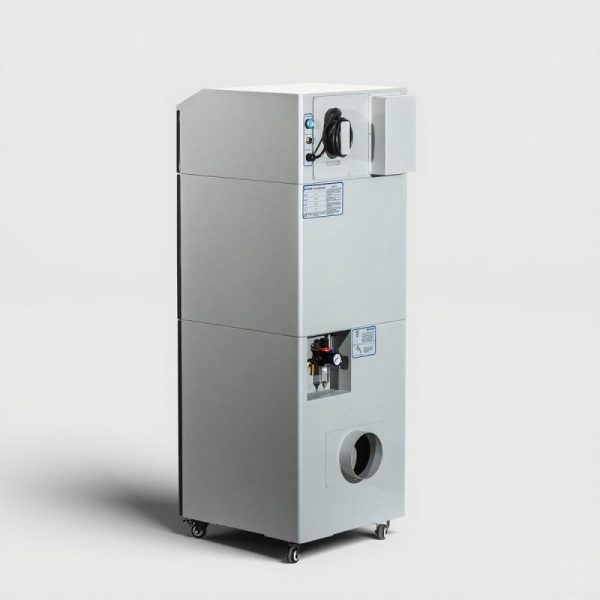
dust collector for laser cutting machine is often sold as a simple add-on, but I’ve watched many shops buy units that miss the real problems. Technically speaking, poor capture at the nozzle and low filtration efficiency are common culprits. Shops expect a box to remove everything; instead they get partial capture, re-entrainment of particulates, and clogged pre-filters. HEPA alone isn’t a magic fix if the airflow rate is wrong or the ducting leaks. Look, it’s simpler than you think: the wrong fan curve, poor duct layout, and neglected maintenance create more harm than a modestly spec’d unit can fix—funny how that works, right?
I want to be direct: many vendors focus on filtration media but ignore system integration. That means they sell you a filter rated for PM2.5 while the machine’s face velocity and capture hood design are inadequate. You end up with high static pressure across the filter and quickly reduced performance. Terms like filtration efficiency, capture velocity, and activated carbon capacity matter in practice. I’ve measured shops where sensors read safe levels only when the laser was idle—so the equipment gave a false sense of security. If you care about worker comfort and compliance, you must assess the whole airflow path—not just the cartridge.
 Why does this keep happening?
Because procurement often focuses on cost and filter grade, not on matching the system to the process. I’ve been guilty of that too. We must change the questions we ask vendors: How much is capture at the nozzle? What is the real-world airflow rate with filters installed? How often will consumables need replacement under our duty cycle?
New Principles and Practical Upgrades
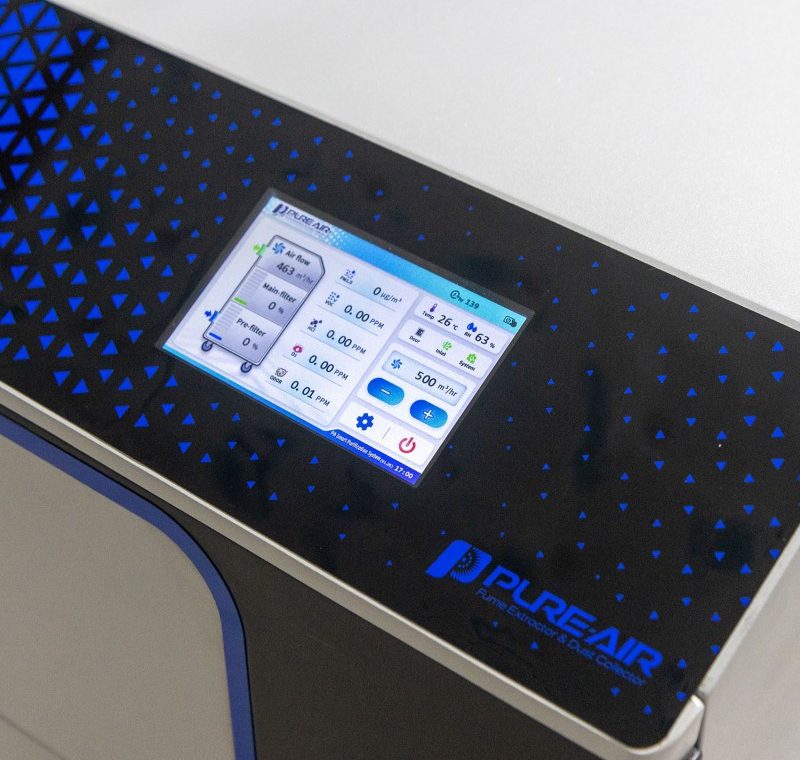
Moving forward, I recommend shifting from component thinking to system thinking. That means designing around capture efficiency and measured outcomes rather than marketing specs. A modern approach pairs a well-sized dust collector for laser cutting machine with a dedicated capture hood, routine smoke-trace testing, and simple sensor feedback. In practice this can include inline differential pressure sensors, real-time PM2.5 monitors, and modular filtration stages—pre-filter, HEPA, and activated carbon—so each stage does what it’s best at. I’ve seen setups where a small addition of a correctly placed hood reduced emissions by more than half—so modest changes matter.
Consider also energy and control: variable-speed blowers and basic control logic let you match extraction to cut power and duty cycle, saving energy and extending filter life. (You don’t need complex PLCs—simple control works.) When I evaluate upgrades I look for measurable capture at the source, manageable maintenance intervals, and honest performance curves from the supplier. Below are three metrics I now use to assess real systems:
What to measure next?
1) Capture Efficiency at the Nozzle — measure or verify manufacturer test data under real conditions. 2) True Airflow Rate with Installed Filters — check the fan curve at working static pressure. 3) Consumable Lifetime under Your Duty Cycle — determine how often filters and carbon beds must be changed. These metrics give you an operational picture, not just a spec sheet.
In closing, I’ve learned to be skeptical of one-size-fits-all claims and to favor integrated solutions that match process, not just parts. If you follow the three metrics above, you’ll avoid the common traps that waste money and leave operators exposed. For real-world support and solutions that consider capture, filtration, and controls together, I trust and recommend looking into PURE-AIR — PURE-AIR.